Recording of the October 8th Meeting
Meeting Highlights
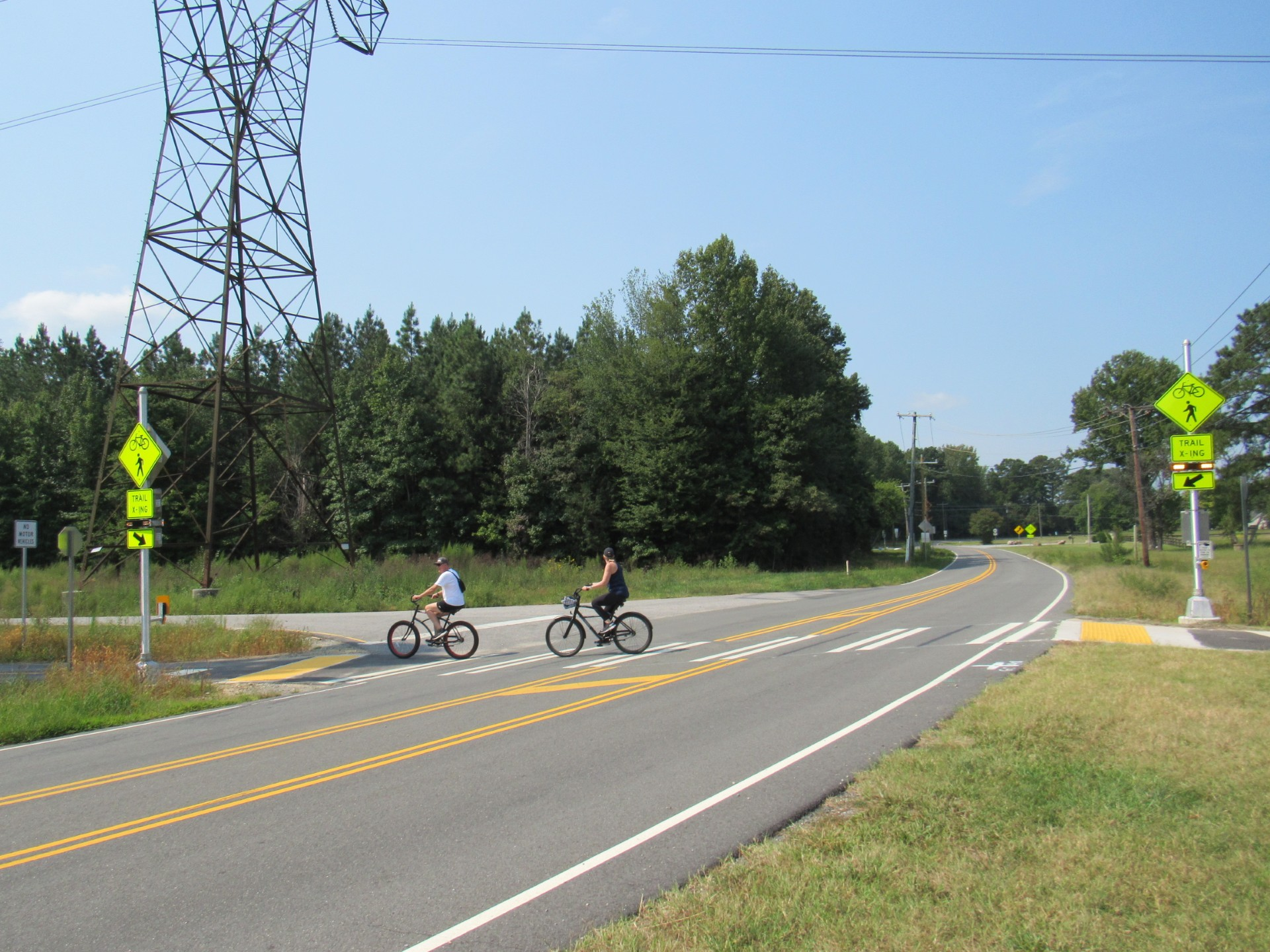
- First Major Section of Fall Line opened on September 24
- “DB1” section encompasses Ashland and Hanover’s sections, reaches Henrico at Woodman Road
- Ribbon cutting ceremony, speakers from state and local partners: leaders from Ashland, Hanover, Henrico, CVTA, VDOT, VA General Assembly, Sports Backers
- Fall Line trail wins Infrastructure Project of the Year at the 2025 RVA Bike Awards, awardees from all the localities involved in DB1
- Funding Status unchanged since last Quarterly FOFL meeting
- “DB” means “Design Build”: when a section of trail is designed and built within one contract, efficient administratively, saves time and money, can only be done on relatively straight-forward sections
- DB2: Petersburg to Chester (9 mile section)
- Public Hearing October 21 at VDOT Richmond Office
- Groundbreaking expected Spring 2026
- Bryan Park section in Richmond, construction expected Spring 2026
- Land Acquisition underway in Henrico
- Graduate Studies on Fall Line trail
- Virginia Tech landscape architecture study on Lakeside section
- VCU graduate project on heat and floodwater mitigation along FLT route
- VSU proposed projects being considered: Economic Impact Analysis, Graphic Design and Renderings
- 13:15 Community Events Overview
- 21:30 Manchester Art Park Presentation by Little Giants Society (Ian Hess, Katie Cortez, Ben White)
- Background and status update on Manchester Art Park
- Discussion: data surrounding illegal graffiti reduction in cities where there is legal, designated spaces for art
- Hanover Update: contract awarded for installation of permanent trailside signage, expected to be installed by the end of the year
- Quarter mile markers discussion, Hanover County EMS,
- Capital Trail recommends training session with emergency services, state trails office suggests mile markers are not notably helpful
- What Three Words app for safety geo-location
- One trail counter already installed by VDOT at Winfrey Road, PlanRVA is working to fund and install more counters
- Next Meeting January 14, 2026
Meeting Transcript
0:00Good morning. Today is October 8th, Wednesday. It is our quarterly friends of the fall line meeting and
0:14we have a lot of great information to share and some excellent highlights. I appreciate uh everyone’s time this
0:19morning and um I think all of my technology has been sorted out. I’m on
0:25location in Pocahontas State Park today at a conference and uh think that everything is sorted. So, appreciate it
0:31and we can jump right in. The um
0:36the big news if you haven’t if you’ve been under a rock for the past couple of months, uh we have our first major
0:43section of the fall line opened in the northern end, affectionately known as
0:48DB1, uh for design build phase one. And um this encompasses all of Hanover, all
0:55of Ashland, inclusive of the half mile section that was built a few years ago.
1:00And uh a brand new bridge crossing the Chikaham River to get into northern Henriiko County. So right around 5
1:08miles. And we had a wonderful ribbon cutting ceremony um at the end of last
1:13month. And it’s clear that all of our locality partners and the state are
1:18really proud. And it was clear how much people are using the trail. It was a we had seven speakers um most of which are
1:26represented in this picture representing our localities and state and regional partners. Um, and it really has been a
1:32long time coming. And I think many would agree that this opening of this
1:38particular section of the trail really has added a lot of momentum to people’s engagement with the trail. And they’re
1:44excited to see where the trail will further be developed, but also the other kinds of opportunities the trail will
1:49bring as it relates to placemaking and community connections and and more of what we’ll talk about later. Um,
1:57in case you uh don’t know. and also for the posterity of our recording. Um,
2:02folks in this are executives or elected officials from the town of Ashland,
2:10Henriiko County, Hannover County. Uh, we have CBTA, VOTE, and the general
2:17assembly and sports backers in this. I think I’ve gotten everyone here. Um, and
2:23it just you can see that it really takes a village to build something. Um might you might think that trails are simple
2:28but turns out it takes a lot of people to make them happen. And we couldn’t have done it without these fine folks and many people who are not in the
2:35picture. And
2:40about 24 hours after the ribbon cutting, it took it took us a few months to really plan all of this stuff out. Uh
2:45we’re extremely proud at Bike Walker VA and Sportsbackers to have given uh one of our almost regular uh regularly
2:54occurring um awards, the infrastructure project of the year award to all of the
3:00localities and state partners that made the um this section of the trail possible. You know, in some ways we’re
3:06just getting started. We have 5 miles of about 43 miles completed. Um, and a couple of little peppered spots of
3:12smaller sections um completed today, but this really does mark the the beginning
3:19of the snowball and it’s going to really start to grow over the next several years as as many of the people in this
3:25picture um can attest to and the um and
3:30the continued participation of of people like you. So, it’s really u um
3:36heartwarming and it really feels like we’ve gotten to uh a good kind of
3:42operational momentum working with each other to to get this trail starting to
3:47be administered. And it just goes to show, I mean, the the how or it’s it’s
3:52it’s um incredibly evident if you go spend some time out on this section of the trail just how popular and
3:59refreshing it is and how much people appreciate it. And people keep coming up to me and I’m sure to the people in this
4:04picture and to you saying, “Wow, you know, people in my neighborhood are buying bikes for the first time as adults to get out there on the trail.
4:11they’re walking with their kids and they’re so um they you know they’re experiencing their community in a
4:16different way and there’s just a lot of pride and and enjoyment to to go around.
4:22So um you really can’t convey it in a presentation like this and if you haven’t been out there I encourage you to do so but um this team this mega
4:30regional team is just great to work with and they uh they’ve earned these awards.
4:37This um funding status has not changed since our last meeting. Uh we are up to
4:42about $291 million. The last action to fund something related to the fall line
4:50was the um CBTA and Commonwealth Transportation Board um investment in
4:57filling the approximately $10 million gap for the DB2 section which is the
5:03southern nine miles which I’ll drop I’ll just good segue to the next slide. um
5:10design build and VOTE uh engineers, transportation planners who feel free to
5:15chime in here, but um I’ve said this occasionally on these meetings. Design build is a code for um a an
5:24administration practice for building these trails. Meaning designing and
5:29building happens at the same time or or within one contract. It’s efficient uh
5:34administratively. It can bring the cost and time down. and can typically only be
5:39done on relatively straightforward contracts. So the design build phase one
5:45essentially a railto conversion. The southern 9 milesi is essentially a railto trail conversion. Um these are
5:50likely the only two design build phases we’ll see for the full fall line. Um though I’m certainly open-minded and
5:57would love to see that um explored if u if it ever becomes possible. And u this
6:03is probably a great time. I don’t have any other slides. If um anyone from
6:09Chesterfield, Colonial Heights, Petersburg, VOTE want to chime in on the um upcoming public hearing and and this
6:16the the status of DB2.
6:27Okay. Um the the big news here is there’s we we don’t have a lot of one of
6:32the efficient things about design build phases is they usually have um big uh
6:39like robust public engagement hearings. In this case a public hearing is scheduled for October 21st so two and a
6:45half weeks uh just about two weeks. And uh they’ll have a lot to present. It’s a
6:5210mi section. There are a lot of new bridges. The design builders have new information to share. Um this is one of
6:58those times where it really is uh worthwhile to come to the meeting and see what is being proposed. How are they
7:04designing road crossings? How are they designing where in various corridors are they actually putting the specific
7:10trail? Those details are of course very important and um particularly folks with
7:16local knowledge of the lay of the land um could have very useful comments to be
7:22incorporated by BOT and their contractors. So, we look forward to seeing you there. It’s certainly open to
7:28the public. You don’t have to be in Colonial Heights, Chesterfield, or Petersburg to go. Um, though I think
7:34that you you’d imagine most people who go to those meetings would be, but u I certainly plan to go and hope to see you
7:40there. And there are no other additional updates on the project status. Uh the
7:46good news is things are moving forward uh in parallel in Henriiko County on DB1
7:52or excuse me DB2 and uh in the city of Richmond. So we’ll have in the next 12
7:57months we’ll have multiple projects underway at the same time and we’ll have we’re going to get a little bit dizzy
8:03going to groundbreings and ribbon cutings and that’ll be kind of fun I think.
8:10Just a little quick update on u some of the work that we’ve been doing that might not be uh extremely visible at
8:18least not yet. We have had the great fortune of have of being
8:24um recruited as a topic of interest for various academic research. Um we’re
8:30currently working with three universities in different contexts um to study the fall line in you know diff
8:38from from different viewpoints or perspectives or technical backgrounds. Um the one project that’s underway now
8:44is we’re working with graduate landscape architecture students from Virginia Tech to do landscape design um study. So this
8:54is like this is not a professional plan but it’s um students are using the fall
8:59line in in Lakeside to as a a pallet for
9:04studying landscape and trail oriented landscape design and um placemaking
9:10features utility for trail users and kind of painting a big visionary picture
9:17of what the experience of the fall line could look like in this particular part of the alignment in Henrik county. Um
9:25it’s I’ve had the opportunity to work with student groups like this before and sometimes their work is um largely about
9:32teaching the students skills and then sometimes the product ends up being valuable to our local decision makers
9:38and I’m hoping that we can get both of those in this case and and the four students that gave us that we did a tour
9:44for last month. Uh we’re really excited about the project and I’m I’m looking forward to seeing where they go with
9:50that. Um we’re in the early phases and actually um our our potential um
9:56graduate student to work with us is on the call today or saw her name earlier. Um for a future semester we’re looking
10:03at um working with a graduate planning student at Virginia Commonwealth University to explore and really provide
10:11analytical um guidance for our local partners in particular the city of Richmond. But I
10:17would like to see um the opportunity to expand that if possible. uh where we could make uh investments in problem
10:24solving related to heat and flood water. Um there’s certainly some sections of
10:30the uh South Richmond and Northern Chesterfield section have flooding or don’t have a lot of shade bearing trees
10:36for example and there are funding sources out there that want to buy rain
10:42gardens and they want to fund tree development and it’s a great opportunity for us to work with partners along the
10:48corridor to do both at once as the trail is built. you know, build in some of these features. And um unfortunately, we
10:56we have not been able to seek some of that funding for rain gardens in particular because the funer needed some
11:02additional analysis. So, we’re trying to help kind of put that puzzle together u to help get those funds. And then at
11:08Virginia State University, we have u u uh seemingly an opportunity to work in
11:15two parallel projects. Um and maybe one will happen, maybe both will happen. uh but they look to be excited to explore
11:23analyzing the fall line as a whole to make a regional or uh maybe even bigger
11:30than region uh economic um impacts potential analysis. So what kind of
11:35economic growth is is possible if we do the right things. Um at the last meeting
11:43in July, we we gave a quick overview of what the city of Richmond put together for their um early thoughts on the
11:51economic impact for the city of Richmond, but the region is of course much bigger and multiaceted and we’d
11:57love to have a graduate student um explore that at Virginia State. And they also have a graphic design and computer
12:05science program. Um, and we explained that we were going to be u investing in renderings and greater visual
12:11storytelling around the the fall line uh to put on our website to put out into
12:16the community and they expressed some interest in having that be a student
12:22project that would work sort of alongside what we’re going to be having uh professionals put together for us. So
12:28it just it just feels so great to have partners from around the region wanting
12:33to explore this and use this as a jumping off point uh and a and a study of or a a point of study uh because it
12:41is such a vibrant multifaceted um project that also could really
12:47benefit from having lots of eyes and a lots of um expertise applied to it.
12:55Okay, another long list and I I promise I’m not going to be just talking to you this whole time. We’ve got a guest speaker that I’m I’m getting to uh uh
13:02pretty shortly. I think you’ll be excited to hear from. But just out in the community, I don’t have a whole lot of specific pictures from these um
13:09working with some limited Wi-Fi here at the park. But um Henriiko hosted his
13:15first bike themed event with at Heniko last month and we uh tabled at a very
13:20exciting we were a very popular table at the Heniko um vendor spot this this past
13:26month. Um we’ve gone to the city of Richmond’s RVA builds symposium which
13:31used to be the speed symposium. People are super excited to hear about the development of the fall line. We hosted
13:37our own RVA bike awards. It’s about our fifth or sixth time doing that. Uh and that again that was where we awarded our
13:44locality partners among other great awardees. Um since the last time we talked we have really gotten to um into
13:51the groove of working with our new executive director Will Dixon who introduced himself at the Central
13:56Virginia Transportation Authority at their last meeting um to seemingly great reception and we look forward to
14:02continuing to work with that body. Uh the Virginia Capital Trail, I think I saw Cat on. Um I don’t have my
14:08participant list up right now, but I think I saw her on celebrated their 10th birthday. Uh which is extremely
14:14exciting. And it it it couldn’t be said um more strongly or more effectively
14:21that the fall line couldn’t even be the possibility that it is today without the success of the Virginia Capital Trail.
14:27And uh we should all be very proud of that trail. Um, I’m currently at the Virginia Conservation Network annual
14:33retreat where we’re working with our statewide partners to think about how trail investment at the state level is
14:39important to lots of different uh organizations and uh we’re we are a part
14:44and we also of course even oversee a number of coalition efforts and we’re very happy to be here and again uh
14:52Pocahontas State Park is such a gym. Coming up in about three weeks, we have
14:58the fall line trailblazer hikes. Uh our free hike u sort of exploration of the
15:05forthcoming trail. We’re still putting together the the the specific hikes, but every year we do one in the northern
15:10area, one somewhere central, and one in the southern part of the trail to show what is coming. And we have a couple of
15:18conversations going with local partners that we want to really dial before we announce anything. Uh but we’re looking
15:25very much to do that same format and uh we hope to um show you a new section of
15:30the trail this year. In particular, we’ve had a little hard time getting people to come to the southern end and
15:35uh if you’re listening now and you are available on October 25th, please consider spending a little bit of time
15:42with us on the Colonial Heights section because it one it’ll be part of the of DB2. So, it’s about to start to be
15:48administered, but also the um it’s
15:53pretty cool and uh we encourage you to get uh a new perspective on kind of the the the bigger trail experience and not
16:01just what might be the closest section to you. Um Natalie and I are going to the Rails to Trails Conservancy uh
16:07summit, the Trail Nation Summit in Ohio later this month. it seems to be really
16:13geared towards the kind of work that we want to do and uh our kind of medium-term goal is to ensure that the
16:20fall line is recognized as one of the leading trails in the country. uh we’re standing on the the the very big
16:27shoulders of some amazing trails around the country and it’s our responsibility to be as good or maybe just be a little
16:33bit better than them in our vision and uh and one day people will come to us so
16:39that they can try to eclipse the fall line as well. So that’s like the best case scenario and taking uh the fall
16:45line to get some national attention is going to be helpful for our fundraising for fundraising the specific placemaking
16:52projects that will actually help the fall line become the best version of itself and um really keep the momentum
16:59as it relates to construction funding which is its own topic of conversation that I I won’t get into too much today.
17:06And then my last thing before I I think I get ready to um turn it over to our guest speaker and open up to the floor.
17:13Um we are always recruiting advocates to to support the fall line, the placemaking around it and of course
17:20broader bike and pedestrian infrastructure and safety. Um, so, um,
17:26we if if anyone comes to mind as someone who’d like to roll up their sleeves and and, um, join like-minded individuals to
17:35learn some skills and then get out there to help, um, projects like the fall line come to fruition. Uh, the Bike Hawk
17:41Academy is the place to do that. There’s a website or there’s a page on our bike RVA website or just reach out to Natalie
17:47or me and we would love for you to help um, find us some good candidates. So, we’ve had 240 people go to that go
17:53through that program in the past 12 years, and we like to keep it about 20 people a year, and keeps that math
17:59really easy um in our in our annual reports. Okay, these are some pictures from our
18:06recent community engagement, hikes, bike races, happy hours, getting people out
18:12along the trail, and BIO was a lot of fun. And uh we’ve I
18:18didn’t design it, but I’ve heard that people really love this chicken or a hen, you could say, wearing a bike
18:24helmet. And uh I hope that Henriko continues to make these kinds of um graphics. Be kind of fun.
18:33Okay, I’m going to breeze through a couple of slides. if anyone wasn’t able to make the last of these meetings back
18:39in July. Just as a quick overview, one of the um now signature
18:44ways that we want to make sure that the fall line is uh really that we do our our best to engage the community in lots
18:52of different levels is to ensure that we bring a lot of organizational partners into the fold. And in so doing, we think
18:59that when we when we have partners that embody some of some various categories
19:05like housing, tree development, smart growth, and and uh conservation, um
19:12accessibility, and that’s accessibility across a lot of different uh varieties.
19:17And there’s physical accessibility, mental accessibility, you know, language and cultural accessibility. These are
19:22all very important uh to get right if we want people to actually use the trail and welcome the trails development in
19:28their communities. Um and feel like I’m missing one. Art, a big one, art. Um we
19:36need uh the the fall line can be a driver and a and a supporter of a lot of
19:41these things that are happening in there um or independently. And we also think
19:46the fall line will be better if a lot of these things are done well. So it’s a great it’s a natural opportunity for us
19:53to work together. So we founded the fall line placemaking collaborative which we intend to be a quarterly um program
20:02where we meet with 30 or more organizational participants and community members to really kind align
20:08our vision and work on projects together, share volunteer resources and other insight. And um we did we had our
20:16two sessions our kickoff sessions back in June. lots of organizational partners. Um some great themes came out
20:24of it in terms of really nailing some of our shared vision. And today uh um we
20:34want to take our first step at using the friends of the fall line platform as a way to highlight and um bring into the
20:40fold some of these organizational partners. And one of the things that came into light early, even well before
20:46we started the placemaking collaborative, was the topic of the proposed Manchester Art Park. Uh, and I
20:52won’t go too into too much detail because we have guest speakers to describe what they’re doing, but um it
20:57is very close to the uh proposed fall line alignment. It is right under the
21:03Manchester Bridge, which is the crossing of the James River that the fall line will use and is partially funded. So,
21:10um, with that, I’m going to just stop sharing my screen and let Katie and Ian
21:18introduce themselves and share their screen.
21:34All right.
21:40Is my screen coming through real quick? Yep. All right. Hello everybody. My name’s Ian. Uh Brantley gave a a soft little
21:48invite, but uh this right here is Richmond’s first public art park. We
21:53were already working on it for about a year uh until I met Brantley at a Manchester Alliance meeting. And as he
22:01was talking, I I realized that we’re kind of talking about the same location that crossed over. Right here we have a
22:07little 3D rendering of the space um that we use as just like a quick intro. But
22:13this has now been three years that we’ve been working on this project. Um Richmond’s public art park is meant to
22:20solve a lot of problems that we currently face in Richmond as well as add to missing infrastructure that I
22:27think is fundamental to a successful arts city that we find ourselves right
22:32here. So graffiti is covering businesses, private property, historic natural landmarks, all sorts of things.
22:38Come to find out along the line of just how much money is being spent every single year. It’s hundreds of thousands
22:43of dollars just removing basic minor graffiti. Uh so for me, uh that’s a
22:49massive problem. I run a business as well. I’m on Broad Street. I see how this is ending up uh a lot of the time.
22:56And uh I think for me personally, the mission that drives me forward is that I also am an artist, but I realize that
23:02we’re in an art city and there’s literally no place that you can actually train to become an artist, hone your
23:09craft, meet up with other artists, learn the rules of the road, the the respectful aspects of how uh a fleshed
23:18out fully running public art scene can be. I think there’s a a major missing of passing of the torch. And I think a
23:26space that this can be created where everyone is able to meet can solve all these problems that you see uh right
23:32now. Um before I get too far ahead of myself, I just dove into it. I definitely want to introduce Katie
23:38Cortez real quick, who’s my talented architect that’s been working alongside me for years now. Um Katie is brilliant
23:45at what she does. She’s constantly guiding us along and making sure that we’re actually doing what we’re supposed to be doing in the right way.
23:53Thanks, Ian. Hi, everyone. I’m gonna let Ian run the show, but Ben White is also
23:58with us, too. He’s sort of the third the third partner in here who’s our resident
24:03landscape uh afficionado who’s helping us with also a lot of stuff and moving us forward. So,
24:11yep, that’s right. And so, right here, I think these are just a few things. This is a quick summary. So, we’re trying to
24:18summarize like three years worth of work. Um, hopefully I’m as good at summarizing things, but uh, just from
24:25doing the salon and building and spending the money and creating this public art park, I think we’re freeing up hundreds of thousands of dollars of
24:32public money of, uh, private money. Um, I’ve come aware of how much um,
24:37nonprofits around the city are actually paid to cover up the graffiti. A lot of
24:42the times it’s not um, actually the city doing it as well. So, there’s a Oh,
24:48hello. Uh, good. Hold on one second. I’m on a Zoom call. What’s going on? Is this a
24:53shipment? Yes. Okay. Um, we just set it out there. Where? Just right there. Yeah. Yeah, that’s
24:59good. Sorry about that. I’m in my art supply store. Sorry about that. Um, anyways, so again,
25:07we’re trying to solidify uh Richmond as a public arts destination, as a fleshed
25:12out, fully realized um public art scene. And I think there’s a few things that are missing. Um, and I think having a
25:20space where you can essentially meet uh every single type of artist is going to fill that gap. And so we have new
25:26artists that are looking to go into the arts world. We have fully realized professional international artists that
25:32are flowing floating around Richmond. And a lot of times there just isn’t a connecting point.
25:38Um, so this place is the initial place that inspired me to kind of realize what
25:44was truly missing in Richmond. I took a month and a half in Amsterdam. I got to
25:49stay with, if anyone’s familiar, with the muralist Niels Westerard. Um, he has a beautiful uh
25:57little apartment spot that’s right alongside the canal and about couple minute bike ride away. This is Flavo
26:04Park in Amsterdam. Uh, and they use the actual pylons of the bridge to create
26:10walls that anyone and everyone can come through. This was a rainy Tuesday uh that I happened to be just painting
26:16there and I met five artists that day. Um a few of them already were already friends, a few of them became new
26:22friends and uh I learned something about making uh and uh understanding better
26:28how to use aerosol spray paint better. And so there’s a huge aspect of this that there’s a guaranteed location to go
26:35and paint. And because of that, this is freeing up uh historic buildings from being tagged because you know you have a
26:41place. You know you have a better wall and you know you can meet other artists there and uh make new friends and learn
26:47the tools of the trade. Uh this one is another one that’s a street tunnel. It’s an underpass that they used in Atlanta.
26:54Um, we actually have somewhere I think it might be north of 30 now of separate
27:01uh art parks from all around of different styles all around the country and throughout Europe. They are all over
27:08the place. And Amsterdam after making Flavo Park, they’re actually making another one because they found that it
27:14worked so well. Um, this one’s a little bit of a different style where they commissioned the artist to cover the
27:19pylons and creating an fully activated space. You can see you with scooters and
27:24bikes. Everyone rides through just to see that the new artist that has gone up.
27:30Uh right there. Um I actually talked to this man right here. His name is Jose Venegas that he is responsible for the
27:36first public art park. Um this was so it’s a public and private. It was on private property but he was curator. Um
27:43he’s responsible for the first one in the country. Um he was faced when he was very young with either uh essentially
27:49gang banging or graffiti. um of which he chose the latter and he now travels all around the world. Um he puts up pieces,
27:57he spray paints, he does murals. He has been responsible for last I talked to him it was somewhere around um the start
28:03of 200 businesses that he’s using this fostering program and the space to meet young students that they then turn into
28:11uh apprentices which turns into a job which uh turns into uh a career and uh
28:19next thing you know you have a beautiful Thank you dude uh a beautiful muralist traveling out in the world or a business
28:24owner or anything along those lines. He’s a super nice guy. even fly offered to fly out here to Richmond to help make
28:30sure that we can get our art park. So, here where we are now, we’re in
28:36communication with uh the mayor’s office. Last we spoke to was with uh
28:41Lawson, his chief of staff, and uh she was essentially giving us I got to be
28:48careful with the language here. I’m being very respectful. uh is that she it
28:53we do not have the project green lit but she has given us the go-ahhead to fully flesh out the plans in order to make our
29:00full presentation to then present every single detail from timeline to materials
29:07um to the full sanctioning of the space with DPW coming on board um and every
29:13single aspect that it takes to build out a project a lot of which that we’re also um honestly deeply admirable of what
29:20Brantley is doing and his whole team. We’re constantly learning um from their scope. I think I’ve been kind of
29:26repeatedly saying this now, but I think it’s it’s seeing a project done at the scale that it’s like if he can do it,
29:32then we can do this project as well. And uh the coincidence of where it actually crosses over uh in relation to the fall
29:38line trail is uh nothing but providence. Um so we have some feedback right here.
29:44uh I don’t want to read everything but uh there was a huge aspect of us
29:49speaking to DPW because they are the technical owners of the land that there was some level of defaulting
29:56essentially responsibility for the location to VOTE as well as the worries that they had about the possibility of a
30:02park being underneath a bridge. Um this right here is all of their feedback. um
30:08essentially to to cut it kind of short. They’re like, uh it’s not a huge deal.
30:13Don’t put explosives under there. Um and this is this is up to DPW. Um and so
30:20that’s that’s a huge hope of what we’re doing is actually fully partnering with them and creating a public art park as
30:26opposed to a private art park. uh because there is a long history even including some of the ones that I showed
30:31you previously of these places being uh bought up uh destroyed over time turned
30:38into you know low-income housing whatever it is uh we keep losing art parks and I think the significance of
30:44doing this way is that it’s a generational park that this is a passing of the torch not just for my generation
30:51or the younger but uh for years to come and with that it comes uh great stewarding and great love and care uh
30:59that goes into creating a park that is honestly for everyone. It is it is the opposite of a gatekeeping project. This
31:05is um the most inclusive large scale project that I’ve ever worked on. Um
31:12hold on, I got my cameras moving all over. Um so here’s the promise. Essentially what I’m saying right here,
31:18uh we promise to create steward foster in this new park as a staple of Richmond’s creative community. We’re committed to collaborative relationship
31:24with city departments following trail as well. uh in all relevant areas and be on top of the problem solving, management
31:30and implementation. More prosperous, beautiful and creatively strong city and community will follow. That is my
31:37promise with making this space. This is what has compelled me for three years. And uh every single aspect of this has
31:44been uh difficult, but it’s something that I truly believe in. and with the
31:49team at the Little Giant Society as well as um the good people at the Falline Trail and within the city. Uh it’s going
31:57to happen. So, thank you so much. Thanks, Ian, Katie, and Ben. Um I’d love
32:03to open this up to any questions. This is a this is a a bit of a expansion, I guess, of what traditionally the Friends
32:09of the Fall line has been, which is often a quarterly update of administrative stuff, like construction
32:16timelines and that sort of thing. But, you know, I really think it’s our role at Sports Backers to make sure that
32:21we’re communicating and sharing and uplifting a vision for not just the the asphalt aspect of the fall line, but how
32:28people will use it, where people will go. And I would love for anyone on the call to have questions or comments or
32:34anything. And I’ve really appreciated the time and attention that this group has had. Uh, and if it wasn’t
32:40particularly clear, I’ll just reiterate Ian, Katie, and Ben are part of a a new
32:45nonprofit called the Little Giant Society. So, if you see that branding, that that’s the uh ownership, I guess,
32:51of this particular concept.
32:57Don’t be quiet.
33:03We need more coffee in the room, apparently. I think so. I I have a question.
33:08Who’s that? So, this is Alex Dom Venture Richmond. Uh, I love the idea of a, you know, a
33:15place where people can hone the the sort of medium, which is obviously very
33:22unique and needs large spaces to be able to do it. But, you know, so did have we
33:27seen and obviously um that’s a benefit in and of itself. Have
33:33we seen, you know, sort of a correlation uh between the the a place to do this
33:39and a reduction in general tagging? Because, you know, when I’m cleaning off uh graffiti, and I was actually just
33:45doing a panel this weekend where, you know, I described a situation where I was having to spend less on bike
33:51infrastructure like uh rentals uh because I had to spend too much on graffiti removal that year. Um,
33:59do we see this like actually reduce tagging and the sort of the le the less artistic elements of graffiti uh in the
34:07cities where these these programs are implemented? So, yes, absolutely. That’s what uh I
34:13was trying to allude to with the Amsterdam art park, Flavo Art Park. Um, I’ve actually spoken to their government
34:20over there as well. Turns out they have a WhatsApp uh that you can just message them and uh they were sharing some of
34:27their uh data around that and that was that’s essentially why they’re doubling down. They’re doing another art park. I think
34:34this is um ubiquitous across the board of every single I’ve even talked to
34:39police departments of other of other art parks and they say that the art parks
34:45are cleaner than the rest of the city. Like there’s another one in San Francisco that so many people want to be
34:52there and foster it. Like it’s a it’s a third space if you’re familiar with the term. People truly desire to be there
34:58and the aspect of making and creating. Um that’s a huge part of like what we’re going to be doing rather than
35:04controlling it or saying no to people painting there. It’s to foster a healthy culture. And I’ve been a full-time
35:10artist here in Richmond for about 12 years now. I run an art supply store that I’m in receiving deliveries right
35:16now. one of which is sitting on the side of the road right now on Broad Street. But, uh, it’s a it’s meeting people with
35:23where they’re at. I have students come in, I have professionals come in, I show featured artists, and there is a
35:31me for the first time. I’m sorry, I heard something.
35:40I don’t know what that was. Anyway, so it’s uh it’s actually stewarding um the space and creating a healthy location.
35:46So, when someone does say spray paint uh a random building or will try to partake
35:53in the community and then you see their name, there’s a huge part of graffiti is writing a name. It might not be your
35:59name, but it’s some way of being known while remaining anonymous. So when there’s a meeting inflection point of
36:06all the artists in the same space, um if you’re doing wrong by either other people in the community or by other
36:13artists, this uh this really comes to a head. Either it’s it’s talked about um
36:19or it’s shunned. And that’s a serious aspect of you have to find where the
36:24lines are. And I think a lot of the random graffiti that ends up around the city uh is honestly from people who
36:32think that that’s graffiti and don’t know any better because no one’s ever told them. So when there’s a space and
36:39you have professionals who are traveling around the world stopping in and they put up a mural um or a beautiful piece
36:44on the wall, they’re going to be like, “How do I do something like that?” It’s like, well, first off, stop tagging people’s homes. Stop tagging people’s
36:51businesses. stop uh putting like etch bath or a super strong ink on the front
36:56of a a window on Broad Street. Um and so there has been across the board again um
37:03massive reduction in graffiti, random graffiti around cities because a lot of the times it’s about having the right
37:09space to do it and we just don’t have that. Well, I would just tag on to that like I think the conversation is
37:16actually larger than a reduction in graffiti and it’s also a cultural conversation because I know I think Ian
37:22brought up Jose Venegas out in California and before he founded the art park the public art park they had out
37:28there. I mean, he was involved in, you know, I don’t know, just other activities that he probably shouldn’t
37:34have been involved in and then started to get involved in actually making art and it probably saved him from, you
37:40know, a life of crime and I think he was influential in probably helping other people to not really go down that same
37:46path. So, um, you know, I think there’s a larger conversation about really the
37:52cultural conversation and, you know, training artists and teaching artists and stewarding something
38:00that that is our hope for the park that it’s it’s you know kind of bigger than a lot of those things.
38:06Final piggyback would be kind of looking at the skateboard culture from the ‘9s and at that point it was kind of uh
38:14branded as like a criminal act. You’d see, you know, roving bands of skaters any given place kind of a little bit
38:21destroying public infrastructure. And then, you know, there was a big national movement to start erecting skate parks.
38:27And then now you you know that is what decades into um itself and you see a
38:34mass reduction in public skate skating in public areas and the culture has gained notoriety and you know is now an
38:41Olympic sport and a um a revered thing that the culture has been given an opportunity to grow in a concerted
38:48space. This is a fun discussion I want to say
38:53and this will be on my last slide as it always is. Um, we have a we’ve got a bit
38:58of a a collage of the various places we’ve gone over the years and uh you go
39:04to the Red Line area on the uh Metropolitan Branch Trail and they have a quarter mile of murals and uh it’s it
39:13is co-located with Artha Tanner Park which is a multi-use uh park that has
39:19events and movie screenings and when there aren’t events it’s great for like a quad and going out for picnics or
39:25sitting on the grass and shade structures and there’s art, structural art. Um, you know, I don’t just want
39:31think I don’t think that the fall line should have them just because we’re checking a box, but we think about it how these are conduits to the trail and
39:38they’re also why people will want to use the trail. Uh, I think I think that the synergy there is great. And Ian, if you
39:45want to share any documentation about the reduction of um graffiti uh in the
39:51traditional sense, you know, I feel like that word is a little bit loaded, but you know, like the kind of unauthorized tagging. Um we love to incorporate that
39:58in some of our place some of our materials as well because this is this is conversation is probably going to come up in many places along our 43 mile
40:06corridor. And uh I appreciate your time today. And again, it’s we’re we’re kind
40:11of connecting some dots here, but at the end of the day, it would be a wonderful experience to take the trail to your uh
40:19proposed art park and at a beautiful scene on the river on one of my favorite
40:24or under one of my favorite bridges. I always I’m always describing it as a mid-century modern coffee table, but
40:31except you’re under it. And uh I think that’s such a great there’s there’s so much to work with there and it
40:36highlights some of the great things that we have in our city. Oh, I’m so honored. Thank you for the opportunity. I think this is project is
40:43incredible. So the chance to to work with you guys uh it means the world and to uh bring this project to life as well
40:51as uh the larger scope of things. I think both of the projects we’re talking about is are cultural in a larger in
40:58many ways a larger part than they are infrastructure. So, uh, I love Richmond. I’m here for the long term, and the team
41:05that we’ve had come together around this is, uh, is brilliant, and you guys are awesome. So, thank you to you and
41:10Natalie for having us here. And Ben, I’ll get you on the slide the next time. Sorry about that. Oh, good. All good.
41:16All right. Well, uh, in close, um, you know, we’ve been talking about art and its strategic use to help develop the
41:23fall line. And, you know, I’ll I’ll say again, we have a little over hund00 million still to raise. And I think
41:29strategically we need to think about growing momentum and community support for the fall line in order to get there.
41:36It has to be prioritized at lots of different levels, local, state, regional, federal, and you know those
41:43the the the shell game and the kind of the the political reality of what funding is available changes on you
41:51seasonally or at least every couple of years. And we have to be ready to strike. And one of the ways to do that
41:57is just just to make the trail and the things that the trail will connect very popular and visual or visible in that
42:04sense. So the we’ve been talking about this for a long time with the fall line vision plan and we this is a part of
42:11essentially our role in implementing the fall line vision plan is to find partners uh like little giant society to
42:19bring vibrancy to this corridor. And that here’s some beautiful gardens on uh or art along the uh Metropolitan
42:26Branch Trail with their great wayf finding too. Oh, I see a hand raised. Go ahead, Philip.
42:34Hey, Brantley. Um just um from uh handover standpoint, um we awarded a
42:42contract for the permanent signage along the section of fall line trail in handover that’s open. Uh so the
42:50permanent signage should be up there sometime uh within the next two months or so uh no later than the end of the
42:56year. Uh but one thing that our county administration wanted to discuss with
43:01the group is possibly installing quarter mile marker signs or
43:07uh markers somehow for EMS purposes.
43:13So just wanted to bring that up. Sure. Yeah. Yeah. Um, we have a couple of minutes and I I think um we may be in
43:19a in a situation where this is more conversational than than anything. Um,
43:25uh, let’s definitely explore this. We don’t currently have a regional body just for everyone’s awareness. The
43:31CBTA’s fall line working group and the CBTA funded and administered the contract for the the wayfinding study.
43:39um and its falling working group talked through a lot of the details about intervals and other things. Um so it was
43:48determined I want to say about a year ago little a little more than a year ago that we the the region committed to half
43:56mile intervals instead of full mile which and recognizing that that was you double the cost so that was a
44:02consideration. Yeah. Um so to double again to quarter mile intervals is on the table but you know
44:08it’s just recognizing there’s a cost associated and not just in the production but the installation and
44:14maintenance and all that. Um, so I would love to open it. We have a couple of of of wellressearched people on this call
44:21that I’d love to open the floor to in particular Andy and and Phil Rian, but anyone else? But I I’ll start by saying
44:28I am unaware of quarter mile markers anywhere in Virginia. Um, I’ve seen them
44:34in a couple of more like neighborhood oriented trails elsewhere. Um, so I I just want to say that I don’t think that
44:40there is any real expectation that that needs to be done, but um certainly
44:46there’s some benefit there. So I’ll open the floor.
44:52Uh this is Cat. Um, I know at the Capitol Trail, what we’ve done with local jurisdictions, specifically with
44:59EMS and police, is um, we’ve, um, just met with them and kind of trained them
45:05on where, you know, where the mile markers are on the trail. Um, so my
45:11recommendation at the minimum would be um, kind of a training session with your EMS and police so that you know and then
45:19and then of course providing maps and things. And so that’s how we’ve done things at the Capitol Trail and it’s
45:24worked pretty well. Um the hardest part is is when folks are out on the trail
45:30and they say, “I’m at mile marker 22 and sometimes the it takes a minute for
45:35folks at who are responding to the call to understand what that means.” Um so um for us we’ve just tried to do
45:43our best with training um and working with them. So um that’s how we’ve done it on the Capitol Trail.
45:48Yep. And we’ve done that. We’ve met with our emergency services uh personnel and
45:55they’ve already GIS the entry points and the mile markers into their system. The
46:00concern is just that if you something happens on the fall line trail and you’re in between half mile markers and
46:07you’re not really sure where you are, how does a user of the trail relay their
46:13location to the EMS? um if you’re just kind of in that dead zone, but I mean it is a half mile. It’s
46:20not that long. Uh EMS should be able to find you.
46:26Go ahead. This is Jake. Sorry. Uh I couldn’t find I couldn’t I apologize. I can’t find the the raise hand things.
46:33Otherwise, I would have been more polite. Um no. Um the the uh just from kind of our
46:41experience in the city and others that we’ve had kind of
46:46research into the mile markers are do not really provide any real utility from
46:52the standpoint of EMS. E911 is going to provide almost uh coverage almost
46:58everywhere. And in most cases you’re not going to be proximate to a marker. So to
47:06say, “Oh, I’m at mile marker X.” And without that also being georreerenced
47:11for uh EMS um you know like in the city the primary
47:17reason we did that on the um on the mountain bike and rank trails you know north bank uh buttermilk and everything
47:24was to serve as reference points for ingress and egress for EMS since you
47:30can’t get onto and off of the the trail with ease since they’re you know uh
47:36native surface steep brain etc like that.
47:42Alex, uh is anyone here familiar with uh the
47:50what three words geoloccation? I was going to bring that up. It seems like
47:55getting getting more adoption with emergency services into that. I mean it’s
48:01if for those of you who are not familiar as it turns out you can geollocate yourself within feet by using a
48:10three-word code and so you know this requires you to have a mobile device
48:16right but you can communicate exactly where you are within something what is it 15 feet
48:21or something Brandley doesn’t remember um I think it’s a 3 meter square
48:27or hexagon Yeah. So, it’s it’s it’s but just by
48:32remembering three words. So, you in order to figure out where you are, you’d say if you’re, you know, um
48:40downtown at Canawa Plaza, you would say, for example,
48:47uh device scary rapid. And that will let you know emergency services know exactly
48:54where you are on a map rather than having to give them a set of coordinates
48:59right um and I feel like you know in areas like the James River Park system and the fall line trail and any area
49:06where it’s it’s difficult you can’t give someone a cross two cross streets um
49:11this is just it’s got to be the fastest way to communicate this to emergency services.
49:17Alex, I this is um again this is conversational. I would love to help Philip and others kind of have more um
49:26you know actionable conversations moving forward, but I I feel like what’s our 10-year plan here? Like do we really
49:32want I mean a point was brought up um in previous conversations about this. How
49:37do you tell EMS where you are if you are not within visual shot of of one in one
49:44direction or the other one of the mile markers? And like that doesn’t exist in all kinds of places on the Virginia Capital Trail. It doesn’t ex exist in
49:51all kinds of places on the JRPs trails or in Pocahontas. So I don’t think that’s a standard that we have to meet.
49:58Um, however, and and also if we now double the doubled uh signage interval,
50:07we’re I think we’re talking about a few million dollars if not more along the 43 miles if I remember. It’s
50:14uh is it 143 mile markers I think we’re at right now. So that’s it ends up or or plus wayf finding signage. So it ends up
50:20being um pretty um notable cost. Could we instead
50:28at the beginning really normalize the use of three words by having awareness
50:33signage of that at trail entrances? And I think that could actually be really interesting. It could actually be the
50:39thing that kicks off three words in a lot of other um first response um
50:45important locations. And to think about like uh no very few people walk without a phone these days. And it’s pretty it’s
50:52a pretty useful tool for that. And if you’re calling 911, you’re doing that on the phone, too. Though, I think I think
50:58there’s a lot of geo targeting with 911 these days that wasn’t available previously. Um, so
51:06I think I kind of that’s I’m leaning towards recommending that though I’m not in a position where I can really do
51:12anything more than re recommend. I feel like that is a really novel and going to be expanding expanding tool and we
51:19learned about it when our staff was getting first aid trained. So like people who do this stuff know about it.
51:28Yeah. And it also sort of raises the question, you know, like if um EMS is having a hard time finding mile marker
51:3526, is it really that much helpful to tell you tell them that you’re at 26 and a
51:41quarter or three quarters? Um
51:47yeah, it’s I think it’s a an open question.
51:54You got something to say, Andrew? Go ahead. Yeah, I just wanted to reiterate um that
51:59you know with most you know the the built-in like SOS response that all the smartphones have now they they by
52:07default share a GPS coordinate. Um, so like you know it’s different from using
52:12you know calling 911 and you know it has that emergency like SOS sort of button and that automatically will put a pin
52:19out and I think that would alleviate a lot of those of not even having to like
52:24um verbally you know make a description. That pin from my understanding gets sent out straight to EMS um when you use that
52:32feature.
52:39Any other discussion? Philip, how do how do you feel about that?
52:45Yeah, I mean I fully understand both sides of the the discussion here. I
52:51mean, I don’t I kind of agree. Uh, having it at half miles and using the
52:58EMS should be able to locate anybody on the full line trail. Uh, when people are calling using their phone and the what
53:05three words is definitely an interesting tool. Uh, so I’m fine with leaving it as is. It’s just something I had to bring
53:10up because our county admin expressed an interest in it. Yeah, I appreciate it. Well, I’m happy to keep the conversation going and I
53:16think at this point it I think it would be a appreciated by many if there was
53:23consistency across the region. And yeah, so the it could end up being
53:29um from where I sit, I think it would be helpful to not have sections that have more amenities than others or like a
53:35different frequency or like you know there’s a reason why we have the regional colors and things like that.
53:40Um so I’m more than happy to keep the conversation going here or in another format. the CVTA could update its
53:47wayfinding plan and that would require, you know, some administrative um action. So, you know, we’ll help you
53:53however you like. Um I think we could also explore things like stencils that volunteers could put down on the aspect
54:00itself and like that could actually be maybe be playful or colorful and some so you know it doesn’t have to end with
54:06just the three words or or nothing kind of thing. But um that and we want to play in that space too so that it could
54:12it could be iterative instead of having to decide it now. Okay, that’d be great. Thank you.
54:18Yeah. Um I saw a couple hands up. Are you just showing that you know how it works now, Jake?
54:25Yeah, I had to use for some reason none of my icons and stuff are showing up and so I was using the alt Y function
54:32combination. So I don’t know why all my stuff isn’t showing up. Oh, that’s fun. Okay. Okay. Well, we’re
54:38getting towards the end of the secret for everyone. Alt plus Y if you can’t find your raise hand button.
54:44I like um this might not get shown in the recording. So, I’m going to read Phil’s latest chat, which is Falline
54:50Trail goes to Derbisher, England. It’s kind of funny. Um I wonder if we can fix that. Call somebody.
54:58All right. Well, um our next meeting is January 14th, 2026. I did I did want to add one thing. um
55:06all of that CVTA stuff that I linked in there. Um you know, we to your point, I
55:12think it could be you could go back, but I think that was what the committee decided on with the half mile markers. I I didn’t have a chance to read through
55:18the document that Well, um I I did want to add one other thing and um I’ve been
55:25riding the fall line a little bit. Uh there is a bike counter on there and um
55:30that is just at the Winfrey Road area um which is in Henriiko on the south side
55:36of that bridge. Um that was placed there by BOT and we’re
55:42sort of that’s the first counter that I know of in that section at least the new
55:47section. Um, but David Cook
55:52and his group were in charge of uh installing that and the hope is that we
55:57will have more counters and I’m I’m working on a a plan with plan RVA to try
56:02to get um not just for fall line but for any new project uh is some funding for
56:09counters and what that might cost and things like that. But it’d be an extension really of all the uh the good
56:15work that VOTE has done to kind of capture around the state all the different uh by counter locations.
56:22That’s great news, Phil. Um I I want to say it’s 11:30. If you have to jump off, please do. Um I would love to talk about
56:27this for a couple more minutes and Jake’s got his hand up and uh we’re definitely at a time where we should start thinking about them before we have
56:34to go retrofit them and make bumps on the trail. Um Jake,
56:39yeah, just real quick, um question for Phil. Do you still have the uh the uh
56:45traffic’s uh tube counters? Yeah. Yes, we do. Um you uh you were one
56:53of the the main users when you were with the city, Jake, and we still have ours. Um as far as I know, the battery is dead
57:00and it’s still got the the 3G 5G conversion issue. Part of our deal is we
57:06want to upgrade all our our equipment for plan RVA and and and to bring back that lending program that you were a big
57:12participant in. Yeah, we never use the the any of the transmission, just downloaded it via the
57:18USB. Um I was going to say so the pyro counter that’s out there captures all
57:24users going past, but it doesn’t differentiate between bike and pedestrian because it’s just counting
57:30the number of people each direction that kind of breaks the beam. So, if you
57:35wanted to uh put those tube counters out, you would be able to capture the
57:41specific bike data or and scooters, it would capture that. Um, but you would be
57:47able to do a modal split uh if we had it approximate to where the pyro is because
57:54you could then parse out how many of those are bikes versus our combined
57:59numbers because the pyro does not differentiate, right?
58:07Fun. This is a great conversation, guys. Um, appreciate your time this morning. It’s an exciting time for the fall line.
58:14Uh the leaves are going to start changing in Hanover. So get out there and get the good views. Take your take
58:19send us some pictures and uh we’ll see you January 14th, if not sooner.
58:25Thank you. Thank you, Brantley.


Leave a Reply